
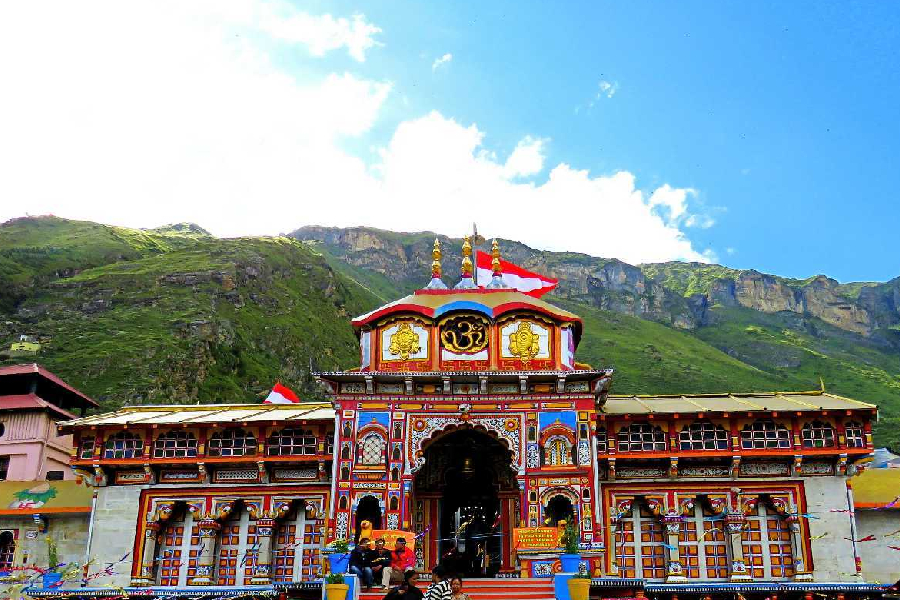
Badrinath, known for the sacred Badrinath Temple dedicated to Lord Vishnu is one of the four Char Dham and Chota Char Dham pilgrimage yatras. Perched on the Garhwal hill tracks, near the Alaknanda River, Badrinath is situated in the Chamoli district of Uttarakhand. Placed between Nar and Narayan mountain ranges, Badrinath Temple is situated in the backdrop of the mighty Neelkanth mountain and is known for stunning natural beauty.

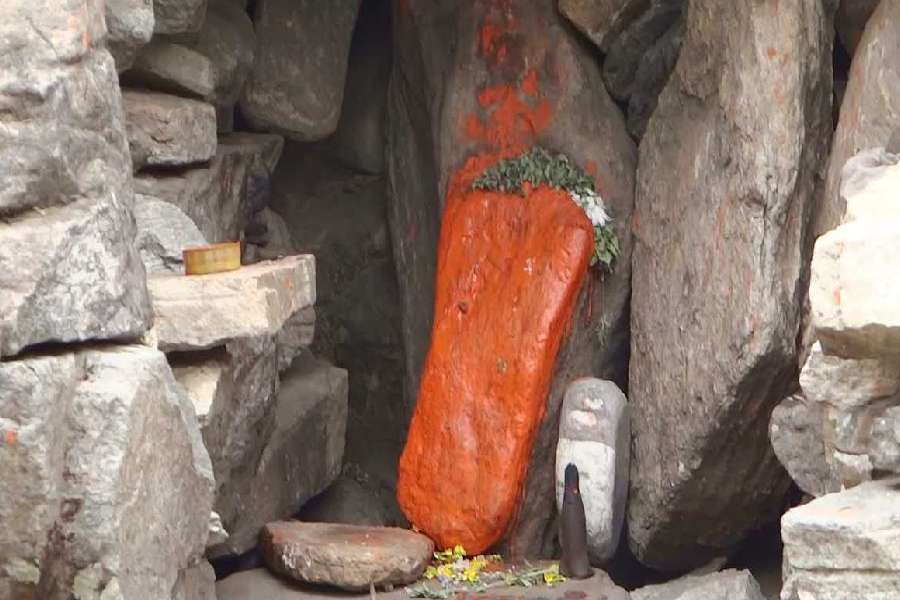
With imprints of what is believed to be Lord Vishnu's footprints, Charanpaduka is a rock atop 3380 ft, located 3 km from Badrinath. It can be reached after an arduous trek. This boulder stone is deemed as a religious site visited by hundreds of pilgrims and tourists every year. People believe that Lord Vishnu set his foot first on earth here.

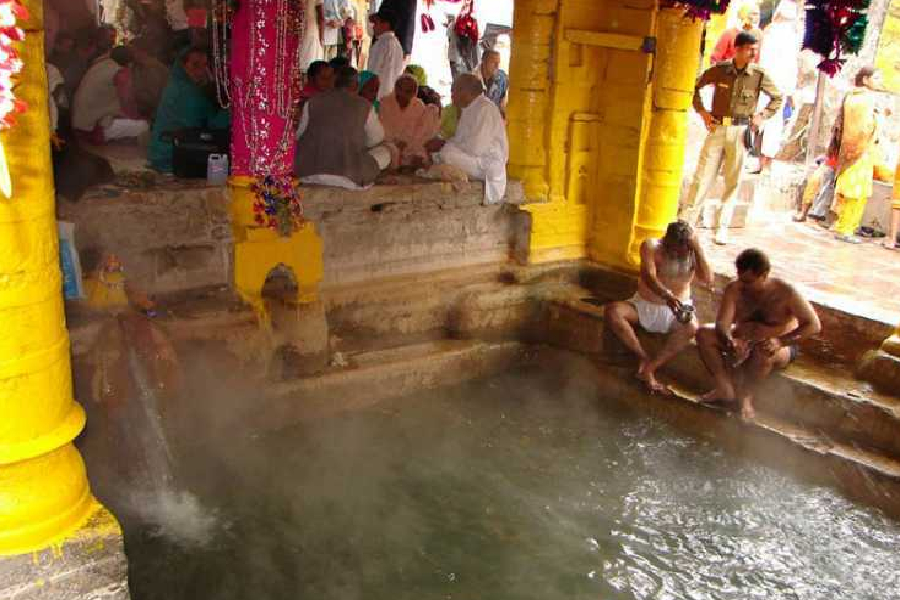
Believed to be the home of Lord Agni, Tapt Kund is a natural hot water spring near the Badrinath Temple, heating to 45 degrees Celsius. Located by the Alaknanda riverbank, visitors take therapeutic baths here. The water of the kund is believed to have medicinal properties, curing various skin diseases. Devotees take a dip in the Tapt Kund before visiting Badrinath Temple.
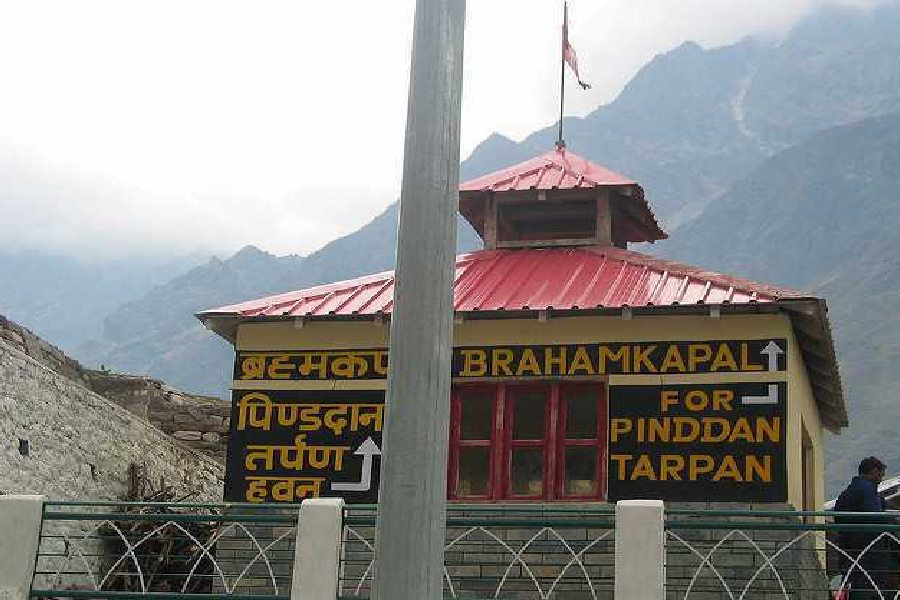
Brahma Kapal is a religious site in Uttarakhand near Badrinath, where Lord Brahma is believed to exist to this day. It is said that those who perform funeral rituals for the deceased in their family themselves attain Nirvana. Many visit the sacred site to immerse the ashes of their deceased family member in River Alaknanda, on the banks of which Brahma Kapal is located.
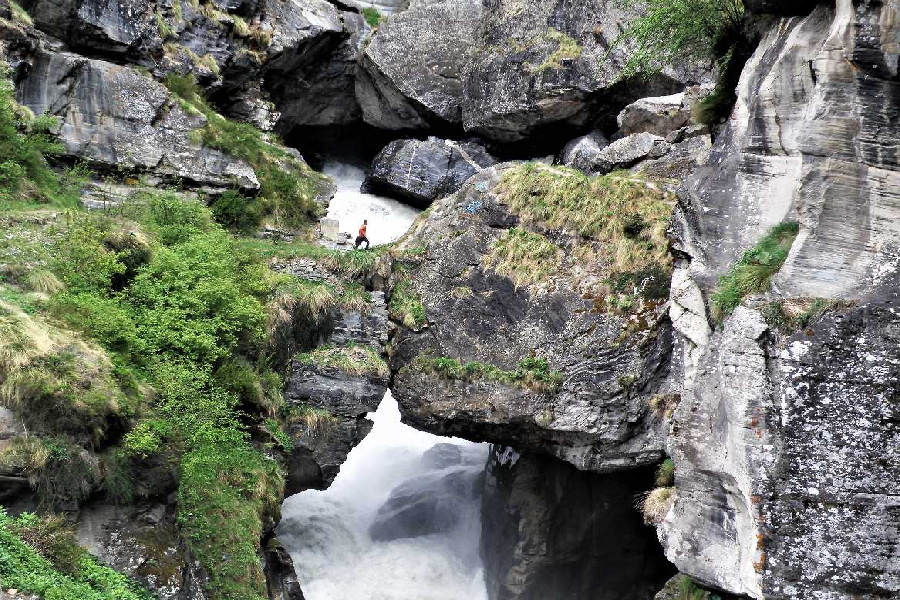
Bheem Pul is a natural stone bridge on River Saraswati near Badrinath, Uttarakhand that is believed to be discovered by Bheem, one of the Pandav brothers while they were passing by. Some say the bridge was created by a stone Bheem threw between the mountains to create a path to cross the river. Nevertheless, the stunning natural bridge and the fierce River Saraswati gushing through it is a breathtaking sight.
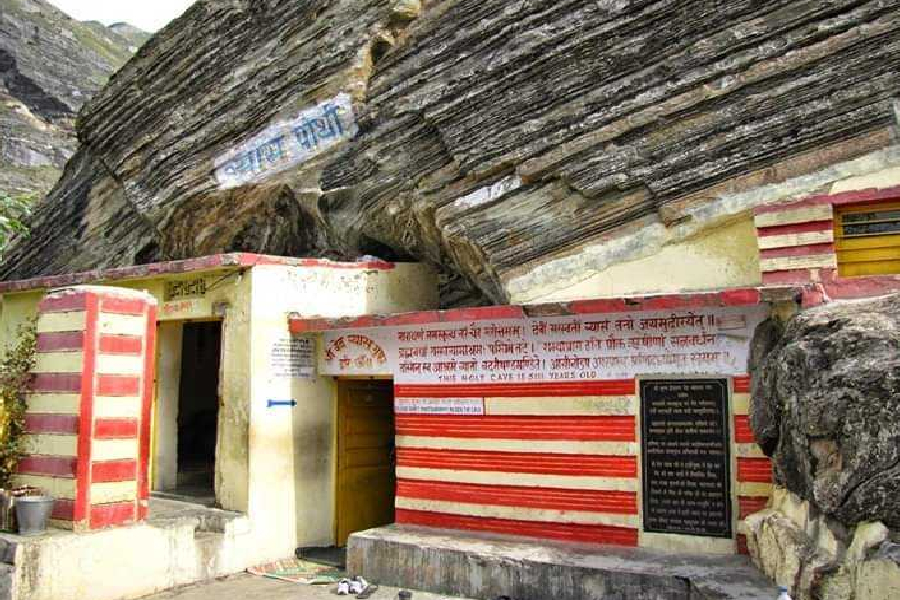
Vyas Gufa is a sacred site in Mana near Badrinath, Uttarakhand where Maharishi Ved Vyas documented Mahabharata with the help of Lord Ganesha. Many other Puranas, Sutras and Veda were also composed by Maharishi Ved Vyas in this cave. A unique feature of the cave is the roof that resembles the pages of a script.
Located at an elevation of 6000 feet, Pandukeshwar is a sacred site for the Hindus. It is believed that this is where the father of the Pandavas worshipped Lord Shiva. The Vasudev Temple in Pandukeshwar is believed to be built by the Pandavas. The mesmerizing natural beauty of the location draws nature lovers from far and wide.


Sheshnetra is famous for religious reasons. It is believed that Lord Vishnu took retreat here on Ananta Shesha. A boulder marked with the eye of Ananta Shesha is believed to have the genuine imprint. Sheshanetra is also believed to protect the region and the shrine of Lord Badrinath. Other than this, the scenic beauty of the locations draws tourists in large numbers each year.
Yogadhyan Badri Temple is one of the seven badris. It is considered to be the Holy abode of Lord Kuber and Lord Udhava. The idol of the presiding deity, Lord Vishnu is seen in a meditative pose and is believed to be installed by the Emperor Pandu, the father of the Pandavas.


Mana Village is a tourism village known as the last Indian village that lies close to the Tibetan - Chinese border. Located on the banks of River Saraswati at an altitude of 10,000 feet above sea level, it is famous for its scenic beauty surrounded by the breathtaking Himalayan Mountain Ranges. The Bheem Pul on River Saraswati is believed to be built by Bheem when the Pandavas walked through the village.
Narad Kund is a hot water spring and a holy site near Badrinath on the recess of river Alaknanda. It is believed that Adi Sankaracharya recovered the idol of Lord Vishnu from this kund. An important point in the Badrinath Yatra, the devotees take a dip in Narad Kund before visiting the Badrinath Temple.


Originating from the Nar Narayan Peak of Himalayas at 400 ft, Vasundhara Falls is a waterfall located in Mana Village, 9km from Badrinath. The fall meets with the Alaknanda river at an altitude of 12,000 feet. It is believed to have been the resting place of the Pandavas. People also believe that the waterfalls turn away from visitors impure in thoughts and heart.
An important part of Hinduism, Saraswati River has been mentioned in several Vedic scriptures as the milky way that leads to afterlife or immortality. It is named after Saraswati, the Goddess of Wisdom. It is the tributary of River Alaknanda which further merges with River Ganga amidst the breathtaking natural surroundings.


Nilkantha, Neelakant, Neelkanth, Nilkanth or Nilkanta is a major peak in the Garhwal division of the Uttarkhandi Himalayas. At a height of 6507 masl, it is one of the most important and religiously revered peaks of the region due to its close proximity to Badrinath. It overlooks the lovely valley of the Alaknanda River.
Ganesh Gufa is a naturally formed cave located at Mana Village near Badrinath. It is believed that Maharishi Vyas dictated the Mahabharata and Lord Ganesha wrote it in this cave. The cave and the mesmerising meadows that surround it also attract nature lovers and photographers.